
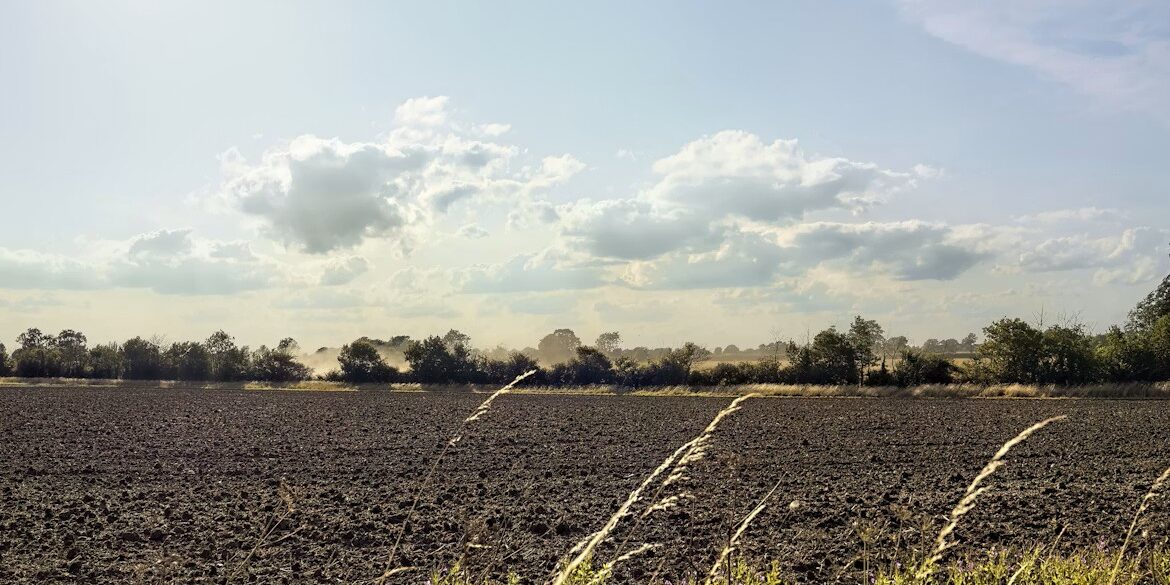
It was a pleasure to spend the day at Cereals 2026 at Diddly Squat Farm this week, meeting and catching up with so many fantastic people from across the agricultural sector, and seeing first-hand some of the innovations helping to shape the future of farming.
The event provided a valuable insight into the progress being made in areas such as regenerative agriculture, soil health, crop resilience and practical farming solutions designed to improve productivity while supporting long-term sustainability.
It was particularly encouraging to see the focus on robust, commercially viable practices that can help farmers strengthen yields, manage evolving challenges and build more resilient businesses for the future.
From an R&D tax relief perspective, agriculture is a sector where innovation can often arise from practical, real-world challenges. Projects involving agri-science, crop performance, soil improvement, robotics, automation, data analysis, sensing technologies and new approaches to resource efficiency may all involve technical uncertainty, particularly where existing methods do not provide a clear or readily available solution.
At Cereals, it was especially exciting to see developments in agricultural robotics and other emerging technologies designed to improve precision, efficiency and decision-making on farm. Where businesses are developing or appreciably improving processes, systems, devices or methodologies, and seeking to resolve scientific or technological uncertainty in doing so, there may be scope to explore whether qualifying R&D activity has taken place.
Overall, it was a positive and insightful day, and a strong reminder of the resilience, innovation and forward-thinking approach that continues to drive the agricultural industry.
For farming, agri-tech and wider agricultural businesses investing in innovation, it is worth considering whether any recent or ongoing projects could qualify for R&D tax relief. If you would like to understand whether your work may be eligible, please get in touch.